
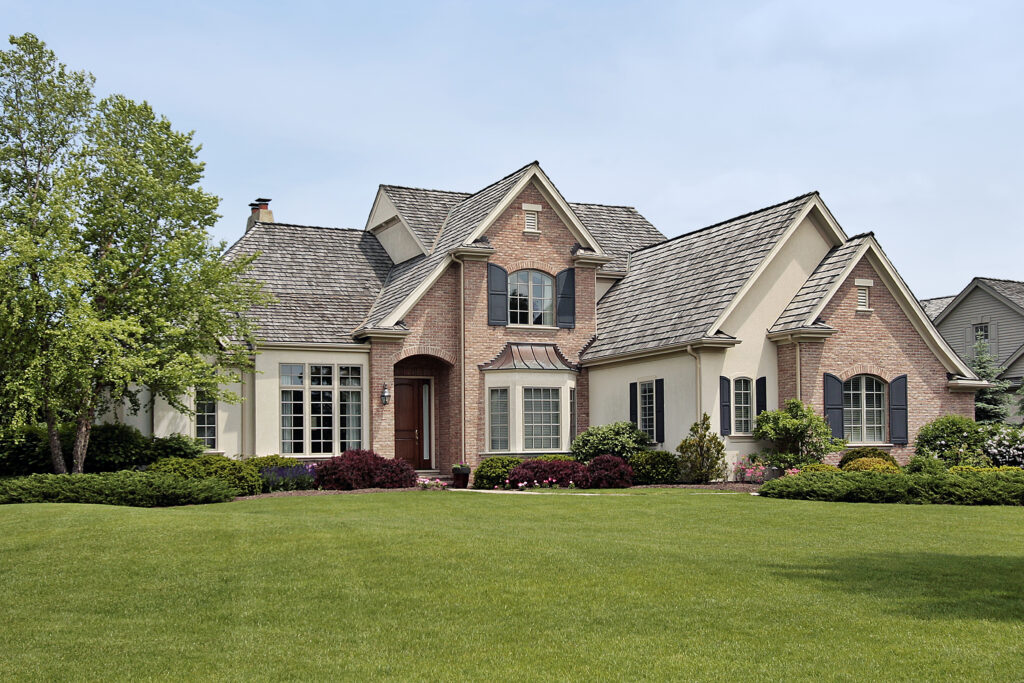
Lexington, KY’s housing market keeps a steady pace. Between the historic streets near downtown, the steady flow of new construction filling in the suburban edge, the post-war neighborhoods that have changed hands several times by now, and the surrounding farmland slowly being absorbed by growth, there is always a property somewhere along the path from contract to close. As the home inspector behind Beacon Home Inspections, I get the chance to walk a wide variety of Lexington homes every week. That variety is one of the reasons I do the work, and it is why I built the practice as a single-inspector business. When you book with Beacon, the person who answers the phone is the same person who walks the property and writes the report.
The services I offer in Lexington are tailored to what these properties actually require. Residential home inspections cover buyer, seller, and pre-listing situations, with the same thoroughness on every appointment. 11-month warranty inspections give new construction buyers a final chance to use the builder’s first-year warranty before it closes out. 4-point inspections give insurance carriers a focused look at the roof, electrical, plumbing, and HVAC systems in older homes. Thermal imaging and moisture scans run as standalone services for owners who want a deeper look at a specific concern, and a thermal spot scan is available as an add-on during a standard home inspection. Each service stands on its own, and each gets the same careful attention.
Lexington sits in the heart of the Bluegrass Region of central Kentucky, surrounded by rolling pasture, white-fenced horse farms, and the iconic limestone-rich soils that give this part of the state its reputation. The city was settled in the late 1700s, anchors Fayette County, and has carried the nickname Horse Capital of the World for decades. The University of Kentucky brings tens of thousands of students into the city each year; the horse industry shapes the surrounding countryside; the bourbon industry draws visitors from across the country; and the medical and professional sectors round out a diversified local economy.
What makes Lexington interesting from a home inspection standpoint is the way its history layers into the housing stock. Some of the oldest homes in central Kentucky still stand on streets near downtown, with original masonry, plaster, and woodwork preserved alongside updates done across many decades. The post-war era added neighborhoods of brick ranches, capes, and split levels. The 1970s and 1980s saw larger subdivisions on the city’s outer edges. The 2000s and 2010s saw the development of master-planned communities along the urban service boundary. Today’s inventory covers all of that and more, with new construction continuing to push out into the surrounding counties.
The land underneath Lexington is doing its own work on every home. The Bluegrass Region sits atop thick layers of limestone, which give the area its caves, springs, and karst features. That same limestone makes radon a real concern, and EPA Radon Zone 1 covers nearly all of central Kentucky, including Fayette County. Clay soils in some neighborhoods can drive foundation movement and drainage issues over time. The climate adds humid summers, cold winters with real freeze-thaw cycles, and a severe weather season every spring. Each of those factors leaves traces on the homes I walk through.
A residential home inspection in Lexington covers the whole house, not just the rooms with finished surfaces. I walk the roof system, the attic, the structural framing, the exterior envelope, the foundation, the basement or crawl space, the electrical service and distribution, the plumbing supply and drain lines, the HVAC equipment, the interior finishes, the doors, and the windows. On older homes, I take extra time with the things that come with age, including plaster walls, original woodwork, legacy electrical methods, and basements with stone or block foundation walls. On newer construction, I focus on the items that the pace of construction tends to leave behind, including perimeter grading and drainage, attic details at hips and valleys, HVAC commissioning, and finish work that may or may not hold up to closer inspection.
Buyer inspections most often occur during the option period, and the report is intended to provide the buyer with enough information to make a confident decision about how to proceed. Seller inspections and pre-listing inspections let sellers walk into the market without surprises and decide which items they want to address before listing. 11-month warranty inspections on newer homes catch issues in time for the buyer to use the builder’s warranty before it expires, and they are among the most underused tools in new-construction ownership. 4-point inspections give insurance carriers the documentation they need to underwrite older homes confidently.
Thermal imaging and moisture scans are where I add value beyond what a typical home inspection report covers. As a standalone service, a thermal or moisture scan can answer questions about hidden moisture behind drywall, missing insulation, air leakage, hot spots in electrical panels, and patterns that visual inspection alone cannot identify. As an add-on during a regular home inspection, a spot scan applies that same technology to specific areas of concern surfaced during the walkthrough. Either way, the imaging is documented in the report with photographs that show clearly what the camera saw.
Lexington’s neighborhoods carry strong personalities. Ashland Park, with its tree-lined streets and stately homes near the Henry Clay Estate, is home to many of the city’s most architecturally interesting properties. Chevy Chase, Kenwick, and Bell Court bring early twentieth century homes with charm, original details, and the kind of updates that have been layered in across decades. Inspections in those neighborhoods often involve careful reads on older electrical panels, original plumbing materials, plaster walls, and foundations from a different era.
Hartland, Beaumont, Andover, and Lansdowne represent some of the more established suburban neighborhoods, with homes mostly built between the 1960s and the 2000s and a steady flow of buyers and sellers. Tates Creek, Gardenside, Picadome, and Glendover bring a mix of mid-century brick ranches and renovated capes. Masterson Station, Polo Club, and the newer subdivisions out near Hamburg and along the urban service boundary include more recent construction with all the build-era considerations that come with the 2000s and 2010s.
Closer to downtown, the historic streets of South Hill, Aylesford, and Woodward Heights carry the city’s longest housing memory, with homes that often deserve careful attention to the layered systems beneath their surface.
Lexington offers a full slate of reasons to spend a weekend close to home. Keeneland Race Course is one of the most beautiful tracks in horse racing, with spring and fall meets that draw fans from around the world. The Kentucky Horse Park on the north side of town is a working horse park with museums, demonstrations, and trails that celebrate the role horses have played in this region.
For families and history lovers, Ashland, The Henry Clay Estate , preserves the home of one of nineteenth-century America’s most influential politicians, with house tours, gardens, and grounds open to the public. Raven Run Nature Sanctuary on the southeast edge of Fayette County offers more than four hundred acres of trails, woodland, and limestone bluffs along the Kentucky River, and McConnell Springs Park preserves the original springs where Lexington’s founders camped in 1775.
When you hire a single-inspector home inspection business, you avoid the handoff that comes with a larger company. The same person who answers the phone is the one who walks the property, runs the thermal imaging, and writes the report. I show up on time, take the inspection seriously, and write reports that are organized to help the reader make decisions rather than to fill pages. I am happy to answer questions on-site during the inspection, and I will stay reachable after the report is delivered, because the inspection is meant to leave you better informed, not stranded with a PDF and no follow-up.
When you are ready to set up an appointment, contact Beacon Home Inspections LLC and let me know what is on the contract or the calendar. Beyond Lexington, I cover Nicholasville, Georgetown, Richmond, Berea, Winchester, Morehead, Cynthiana, Danville, Frankfort, and Paris, so if your search extends into the surrounding Bluegrass counties, there is a strong chance the property is still within my regular service area. Whether your next appointment is a buyer inspection on a brick ranch in Tates Creek, a pre-listing inspection on a historic home in Bell Court, an 11 month warranty inspection on a new build out by Hamburg, a 4-point inspection on an older home near downtown, or a standalone thermal scan on a property with a moisture history, I will give it the careful, image-supported attention it deserves.
Leave your details below and we will get back to you ASAP!